Digital Transformation in Fine Chemical and Pharmaceutical Industries: Key Pathways to Industry Leadership

红岸未来2025-12-18
Industry Pressures in the New Environment: Traditional IT Models Are No Longer Sustainable
As global industrial competition intensifies and policy regulations tighten (such as GMP/AQ3062), the fine chemical and pharmaceutical industries are facing unprecedented pressures for transformation. The traditional experience-driven production model is no longer sufficient to address the complexities of today’s market, as enterprises confront new challenges across multiple dimensions including cost, efficiency, safety, and compliance. At the same time, the rapid maturation of new technologies such as artificial intelligence, cloud computing, the industrial Internet of Things, and digital twin system is providing new pathways for the industry to break through existing bottlenecks. For chemical and pharmaceutical enterprises, digital transformation is no longer an "option," but an essential choice for maintaining competitive advantage, reducing risks, and achieving sustainable development in future competition.
Changes in Industry Trends: Technological Upgrades are Accelerating Competition Divergence
From the perspective of industry trends, the chemical sector is facing multiple pressures including raw material price volatility, increasing product diversification, and tightening safety regulations. Meanwhile, the pharmaceutical industry contends with inherent challenges such as lengthy R&D cycles, high innovation costs, and stringent compliance requirements. Against this backdrop, leading global enterprises have already begun to accelerate their digital transformation initiatives.

Extensive industry research indicates that for the fine chemical sector to sustain growth, it must simultaneously improve operational efficiency and foster innovation. Meanwhile, the pharmaceutical industry is increasingly leveraging cloud computing, AI, and data analytics to accelerate drug discovery and clinical development. All signs suggest that digital technologies are becoming the decisive force shaping future competitiveness in these industries.
Resistance to Enterprise Transformation: Data and Organizational Structure Emerge as Key Bottlenecks
However, amid the sweeping wave of digitalization, enterprises have also revealed significant bottlenecks in the implementation process. The most prevalent issues stem from weak underlying data foundations. Fine chemical and pharmaceutical plants commonly face challenges such as aging equipment, independently operating systems, and data scattered across disparate systems like PLC, DCS, ERP, and LIMS. This fragmentation makes it difficult to integrate critical production data and hampers the formation of unified data assets.

Secondly, the constraints of the industry's talent structure have become a major obstacle to transformation. On-site operators typically rely on years of accumulated experience, which is often not systematized into a knowledge base or corporate process assets, failing to provide a "toolkit" for new talent. Moreover, the scarcity of professionals with dual expertise in "process + data" creates communication and cognitive gaps during the implementation of digital projects.
Additionally, the continuous production nature of factories means any transformation may impact capacity, leading companies to worry about "unclear ROI and excessively high trial-and-error costs." Coupled with stringent regulatory requirements in areas such as safety, auditing, and data integrity—particularly the ALCOA+/CCEA principles in the pharmaceutical industry—digital projects must strike a balance between compliance and efficiency, further increasing the difficulty of implementation.
Core Value of Digitalization: Quantifiable, Implementable, and Sustainable
quantifiable. The most direct benefits come from increased production capacity and reduced losses. For instance, through real-time monitoring and data analysis, enterprises can minimize fluctuations and optimize production parameters, thereby improving yield and stability.
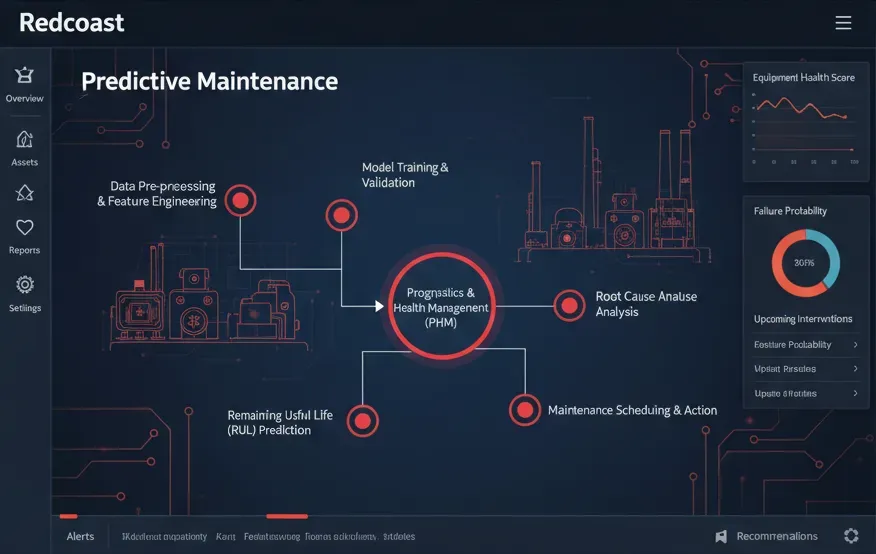
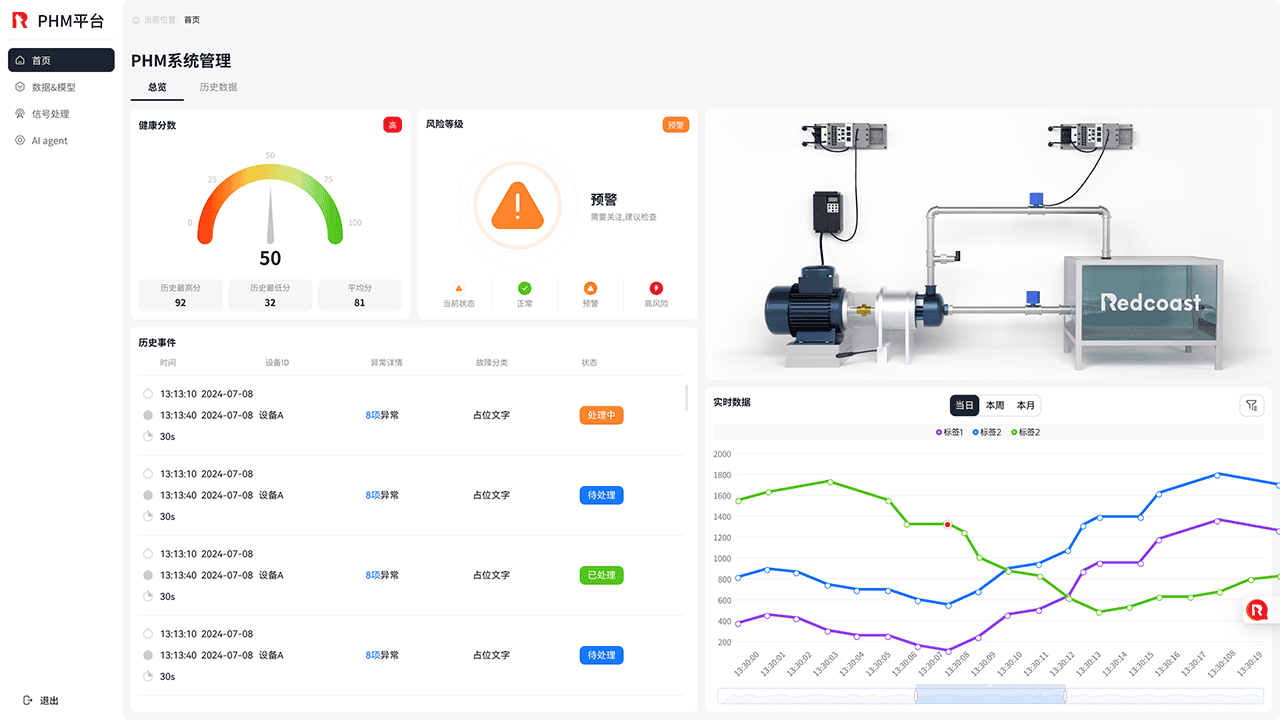
Predictive maintenance technology is also gaining increasingly widespread validation in the chemical and pharmaceutical industries. By continuously collecting and analyzing data on equipment vibration, temperature, electrical current, and other parameters, predictive maintenance can identify potential equipment abnormalities in advance, significantly reducing unplanned downtime and lowering maintenance costs.
For pharmaceutical enterprises, the value of digitalization is even more evident in the areas of R&D and compliance management. Technologies such as AI-assisted drug screening, molecular modeling, and clinical data analysis can significantly shorten R&D cycles, reducing the "design → validation" loop for new drugs by months or even years.
Additionally, digitalization enhances compliance capabilities. For example, through the implementation of electronic batch records, audit trails, and data governance systems, experimental and production data can be brought into compliance with regulatory requirements. This enables rapid identification of problem sources during events such as recalls or audits, thereby reducing the enterprise's reputational risk.
Digital technology is also becoming a crucial tool for enterprises to achieve their sustainable development goals. Against the backdrop of carbon neutrality, stricter regulations on residual recycling in pharmaceutical formulations, and increasingly stringent energy efficiency supervision, chemical enterprises can leverage technologies such as energy consumption monitoring, process optimization, and emission analysis to achieve precise energy management, reduce carbon emissions, and optimize green production pathways.
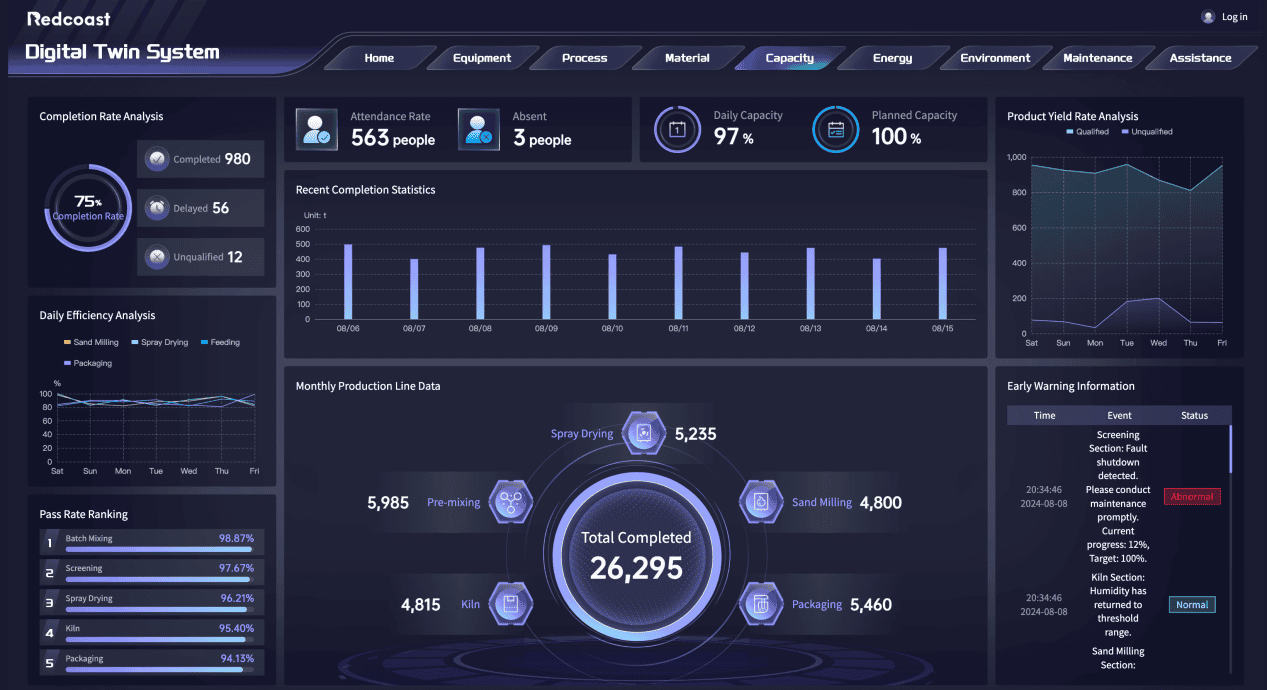
Redcoast Transformation Roadmap: Pilot Validation – Horizontal Expansion – Dynamic Replication
While the benefits of digitalization are clear, implementing it effectively within an enterprise requires an actionable roadmap. For most factories, transformation should begin with the construction of data foundation. Enterprises must first map out core equipment, critical processes, and key data metrics, establishing a unified data acquisition and storage system. Simultaneously, they need to integrate systems such as MES, SCADA, ERP, and LIMS to achieve data unification and standardization.
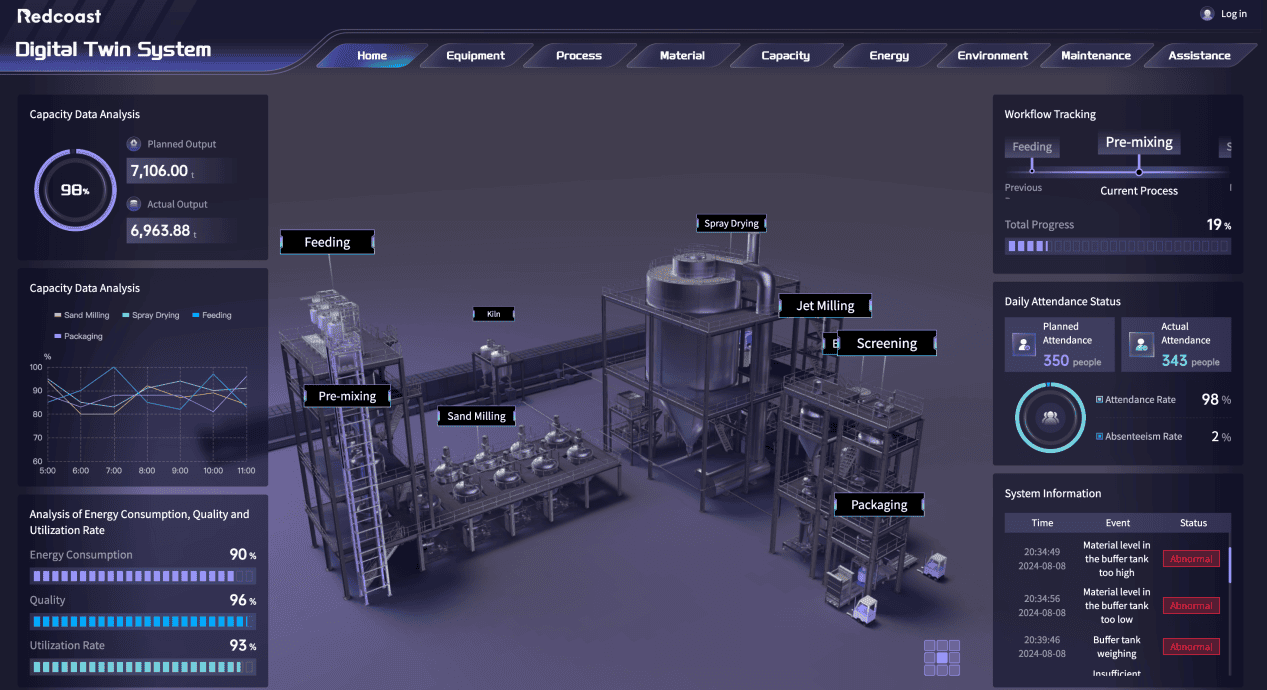
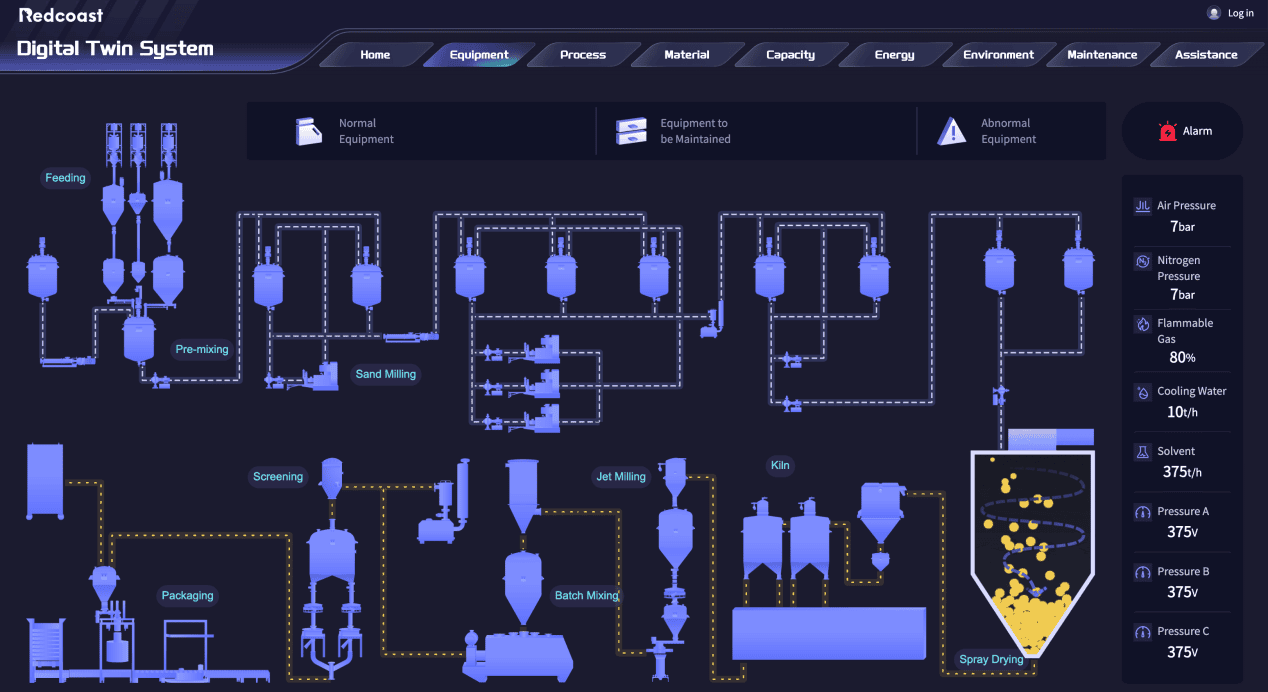
On this foundation, enterprises should advance through "pilot validation of value." By conducting small-scale pilots on key production lines—such as predictive maintenance, process optimization models, and digital twin simulations—they can demonstrate project value with quantifiable benefits, thereby reducing internal resistance. Once pilot results mature, digital capabilities can be gradually platformized to form an enterprise-level data governance system, model library, and visualization platform, enabling the replication of digital capabilities across more production lines.
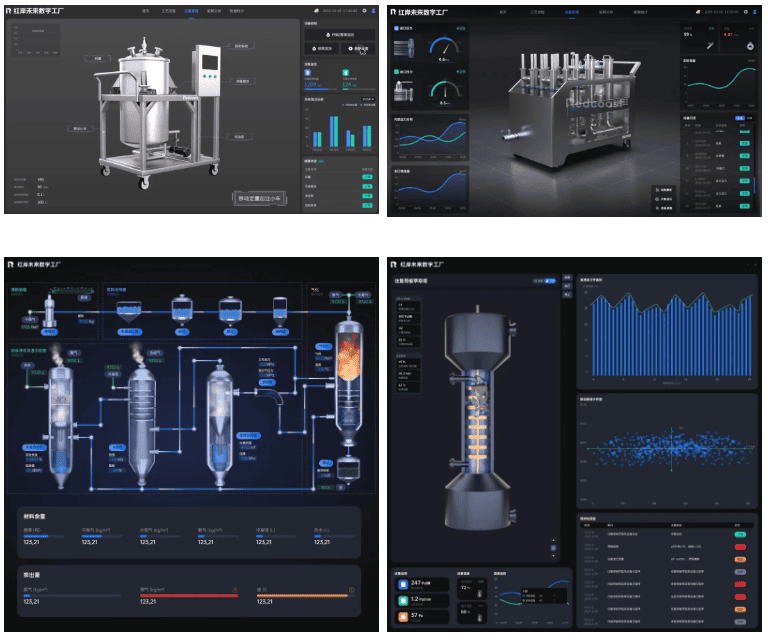
Simultaneously, the evolution of organization and culture is equally critical. This includes cultivating interdisciplinary talent, establishing cross-departmental collaboration mechanisms, and adjusting performance evaluation systems to ensure that digitalization is genuinely integrated into daily operations, rather than remaining a superficial layer.
Redcoast Focuses Not on System Upgrades, But on Reforging Enterprise Competitiveness
Overall, the digital transformation of the chemical and pharmaceutical industries is no longer merely a supplementary technological option but a critical strategy for navigating future uncertainties and enhancing corporate competitiveness and resilience. Digitalization not only helps enterprises establish significant advantages in cost, efficiency, safety, and compliance but also lays the groundwork for deeper AI-driven innovations in the future. As industry competition intensifies and regulatory scrutiny tightens, enterprises that remain hesitant or fail to take action will face increasing operational pressures in the coming years. In contrast, those who act decisively and steadily advance their digital initiatives will secure a leading position in the industry's transformation.
For chemical and pharmaceutical enterprises today, the significance of choosing Redcoast’s tailored digital transformation lies in this: we are not just changing a system, but reshaping a set of capabilities; it is not a phased project, but a forward-looking development path. The sooner you act, the more likely you are to remain resilient amid the industry’s transformative currents.